
What does it mean to be “The Voice of Iran” ?
Projected Anger, Judgment, and the Weight We Place on Each Other
There is a particular kind of tension moving through the Iranian diaspora right now. It shows up in conversations, comments, silence, and sharp words that land harder than intended. Beneath it all is grief. Fear. Helplessness. Grief. Just pure grief. And an unspoken pressure that many of us are carrying without naming it.
Be the voice of Iran.
But what does that actually mean?
When Pain Turns Outward
When a collective is under threat, the nerves mobilizes. Anger rises not because we are cruel, but because we care. Anger is energy meant to protect, to defend, to move something forward. But when there is no clear outlet, when the danger feels distant yet constant, that energy looks for somewhere to land.
This is where projected anger enters.
Projected anger is rarely about the person in front of us. It is about what feels unbearable inside us. It shows up as judgment, urgency, and rigid expectations of others. Who is posting enough. Who is silent. Who is making it in the crouds to protest? Who is doing it “right.” Who is failing the cause.
In moments like these, we begin to mistake visibility for morality.
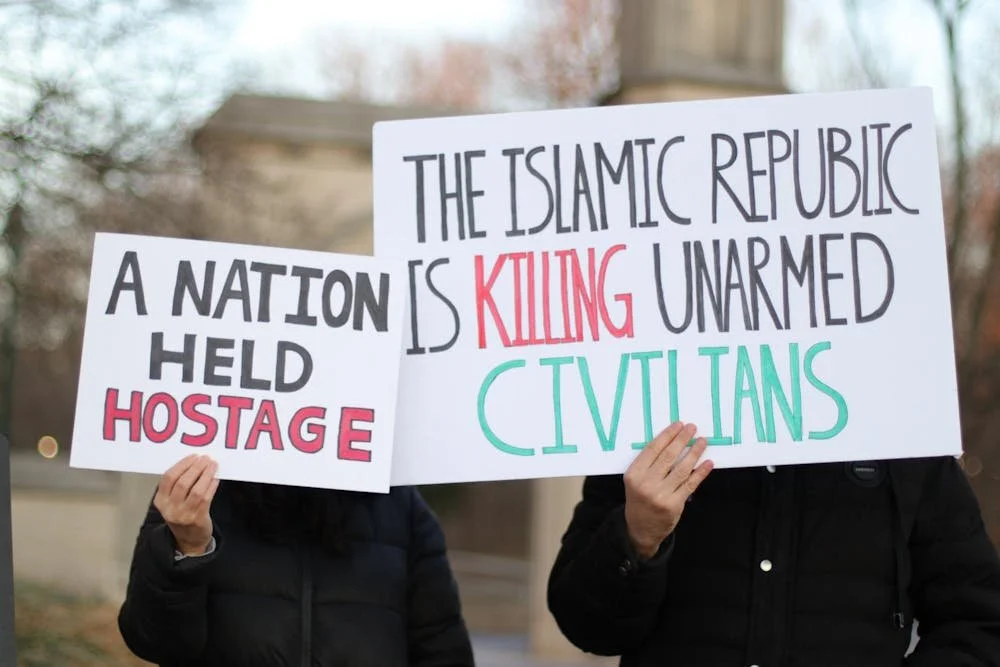
Near or Far, We are all mourning and bleeding.
The Unspoken Expectations We Place on Each Other
Many in the diaspora are carrying an invisible checklist. Speak now. Speak loudly. Use the right words. Post the right things. Do not rest. Do not hesitate. Do not get it wrong.
These expectations are not born out of malice. They are born out of desperation. When we feel powerless, we look to each other to restore a sense of control. If everyone does the “right” thing, maybe something will change.
But the nervous system does not mobilize us through coercion or running in circles. It moves through felt safety.
When expectations harden into judgment, at a time of unity connection begins to fracture. Relationships strain. Communities splinter. And the very thing we need most, cohesion, slips further away.
What Does It Mean to Be “The Voice of Iran”?
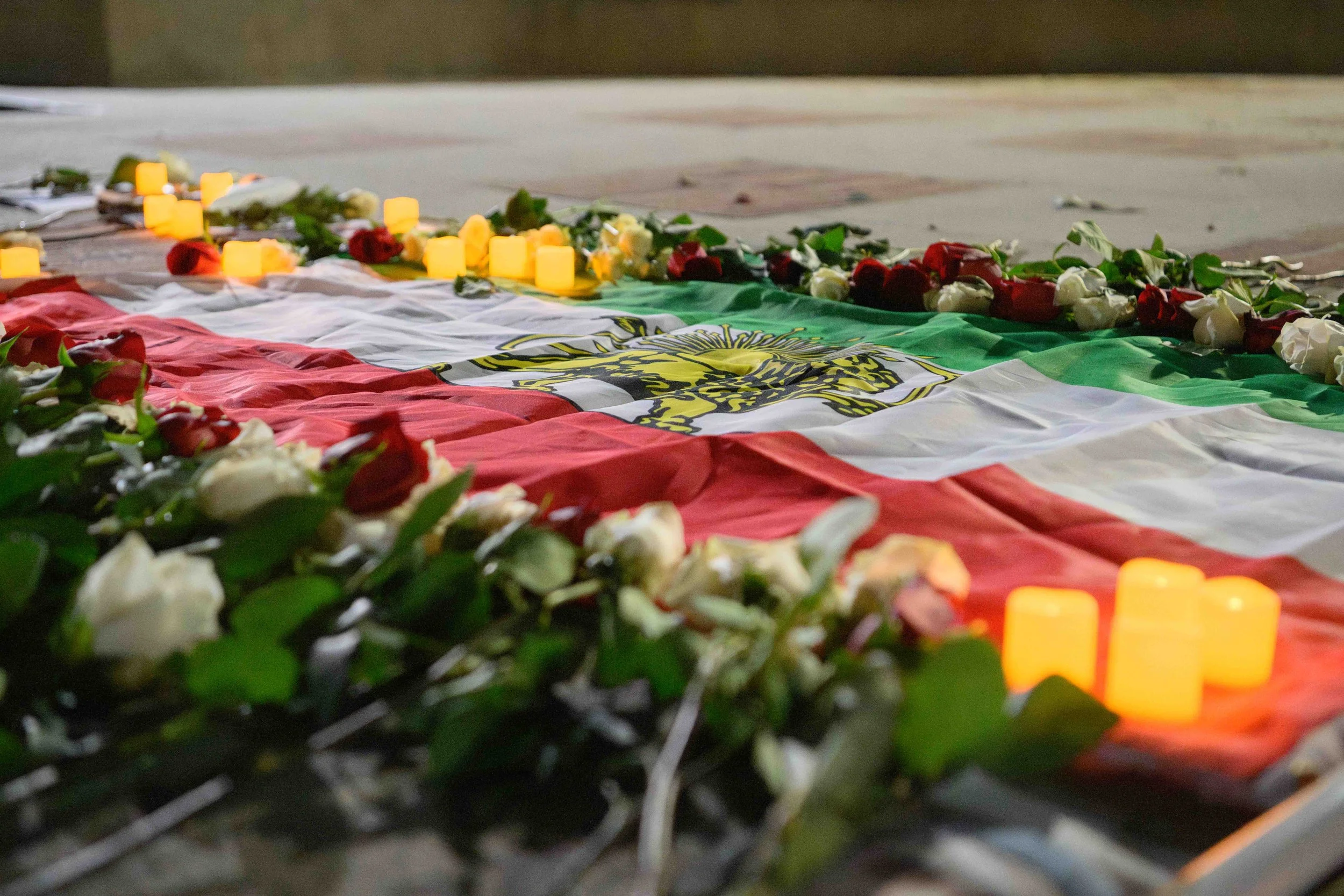
Near or Far; We are all entangled.
Being the voice of Iran is often framed as speaking for others. Over time, that framing can become a burden, placing people in a constant position of having to explain, defend, or justify themselves at a moment when understanding and compassion should be assumed, not demanded.
No one person can carry an entire nation’s pain, history, or future. And trying to do so will eventually overwhelm the nervous system and distort intention. Defeating the entire purpose of carrying the voice of Iranians.
Being “the voice” does not mean shouting the loudest at social gatherings or speaking the most. It does not mean constant, explaining, or defending or worst pushing your views. It does not mean sacrificing your mental health to prove your loyalty. Yet it feels that way.
Being the voice, at its core, is about integrity.
It means speaking when your body is regulated enough to do so without harm. It means knowing when silence is not avoidance, but preservation. It means choosing words that inform and humanize, not words that scorch everything in their path. It means sensing when a conversation can be opened with care, and when it needs to be held with restraint, honoring not only the truth that wants to be spoken but the mental and emotional wellbeing of everyone involved.
Sometimes the most powerful voice is one that does not escalate the nervous system further.
When to Speak, & When to Pause
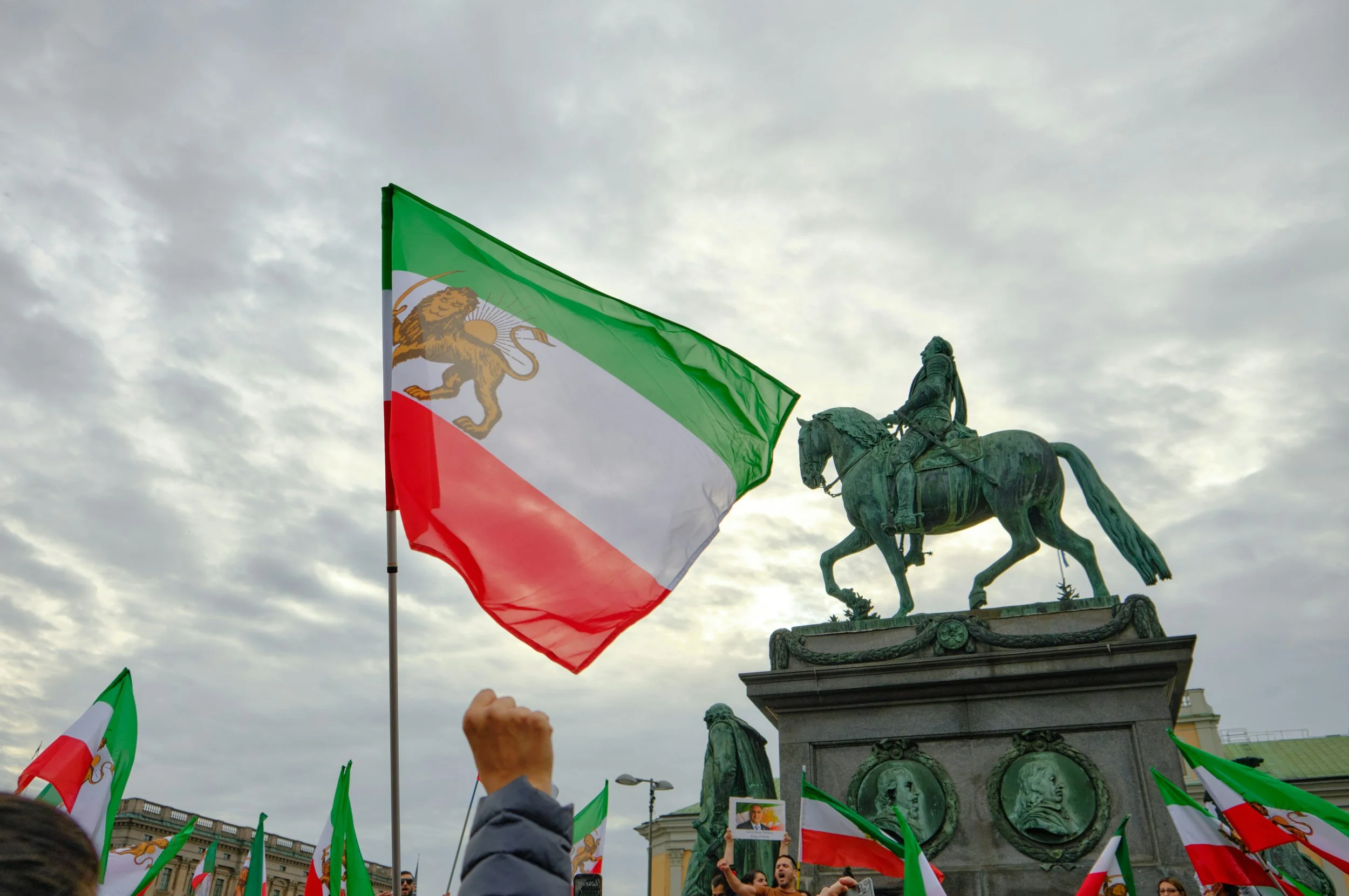
Near or Far; We are doing the best we can.
A regulated nervous system can tell the difference between urgency and impulse.
Before speaking, it can help to ask:
Am I trying to relieve my own activation, or am I trying to serve something larger?
Is my body settled enough to speak without attacking?
Will this bring clarity, or will it add more heat?
There are moments when anger must be expressed plainly. There are also moments when anger needs to be felt privately before it is released publicly. Both are valid. The danger comes when we skip the feeling and move straight to projection.
Pausing is not silence nor is it betrayal. Pausing is discernment and consideration for yourself first then others. We all know the take care of yourself so you can take care of others ordeal.
Respecting Capacity Boundaries, Yours & Others’
Everyone’s capacity is different. Some people need to speak, march and post. Others need to step back. Some regulate through action. Others regulate through quiet witnessing.
None of these make someone less committed.
Respecting nervous system boundaries means understanding that burnout helps no one. A dysregulated messenger often gets dismissed, not because the message is wrong, but because the delivery overwhelms the listener.
Boundaries are not disengagement. They are what allow sustained presence over time.
Ways to Be “The Voice” Without Burning Everything Down
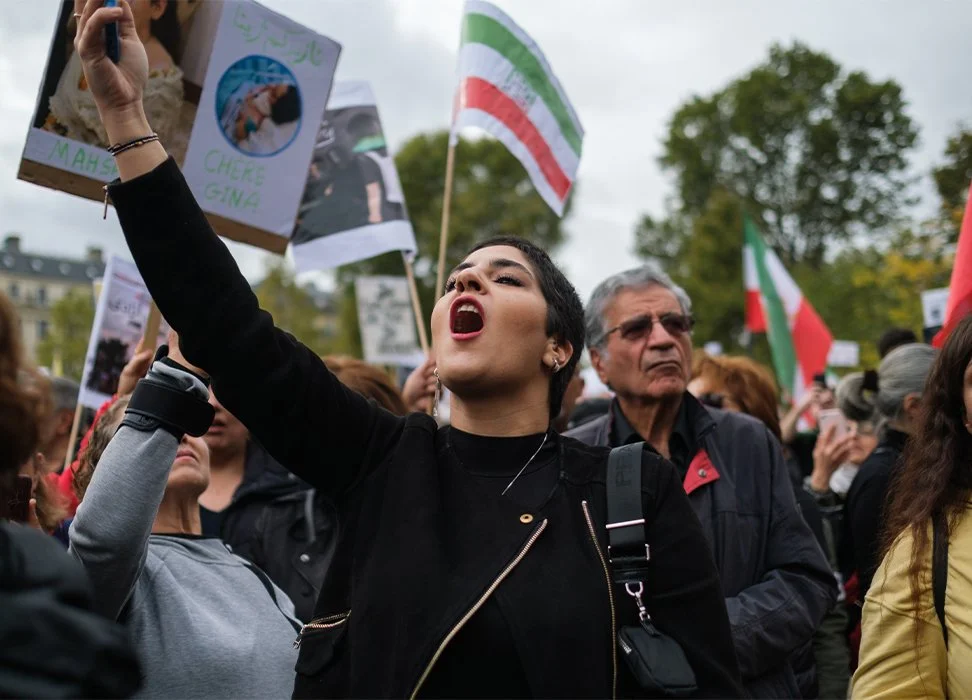
Near or Far; We amplify our voices some inward, some outward.
Being the voice does not have to mean confrontation at all costs. There are quieter, steadier ways to show up that still matter deeply.
You can:
Share verified information without commentary meant to provoke
Speak from your own experience rather than prescribing behavior to others
Create space for dialogue rather than demanding agreement
Amplify voices inside the country
Donate, organize, or support behind the scenes
Teach children empathy, truth, and context in age-appropriate ways
Sit with others in grief without trying to correct or convince them
Protest and march in your city while not forcing this on your loved onces; You don't know their capacity for crowds, noise etc.
You can also choose rest. Rest is not abandonment. It is maintenance.
Compassion Is Not Complacency
There is a fear that if we soften, we will lose momentum. That compassion will dull the edge of justice. But compassion does not erase conviction. It steadies it.
A regulated nervous system can hold complexity. It can speak firmly without dehumanizing. It can advocate without collapsing into rage. It can stay connected even when opinions differ.
This is how movements endure.
Returning to Ourselves
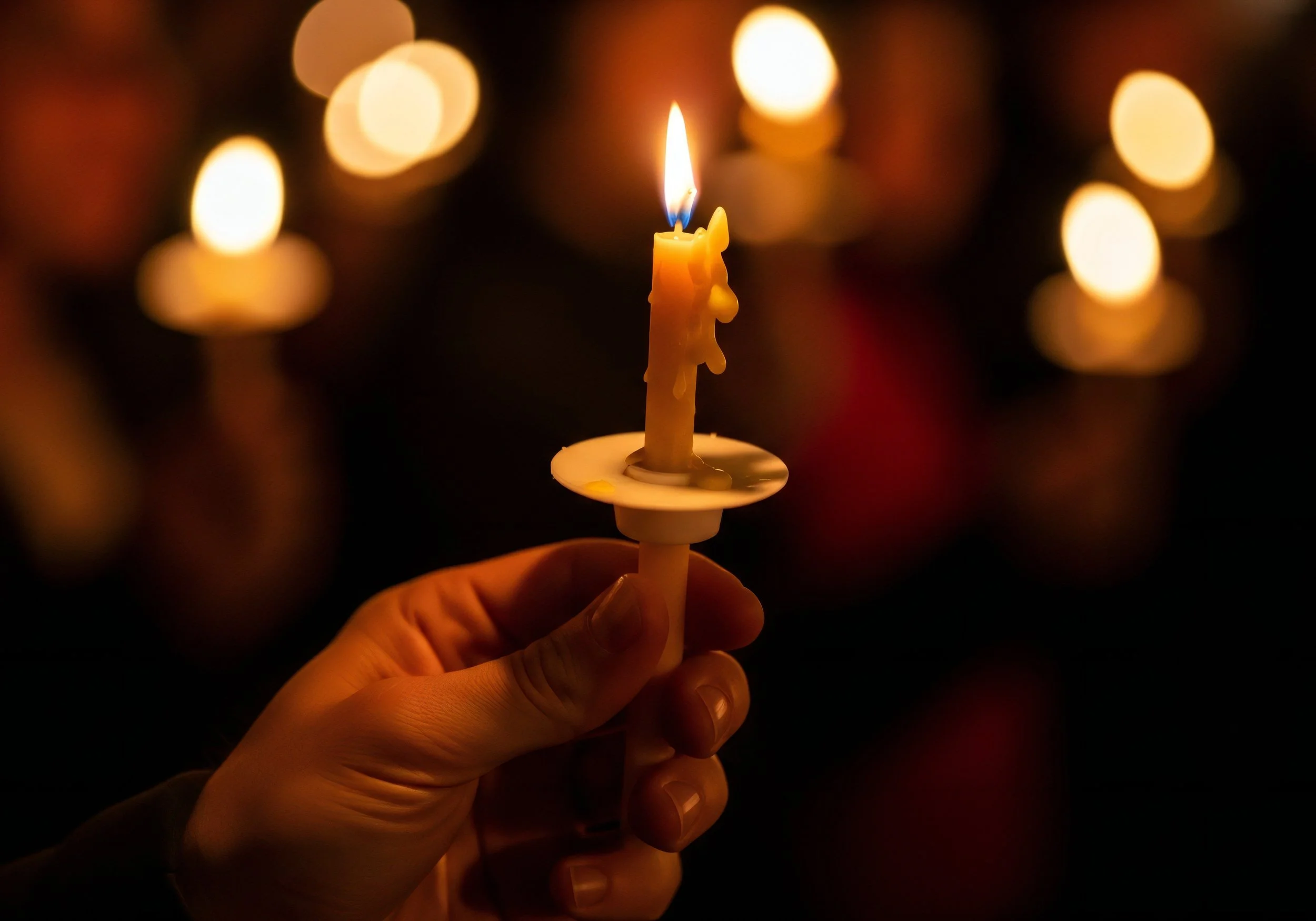
Near or Far; We must stay afloat through unity
At the center of all of this is a simple truth: we cannot ask others to carry what we have not learned to hold ourselves.
Before demanding that someone else be “the voice,” it may be worth asking:
What am I needing right now?
What part of me feels unheard?
What grief have I not allowed myself to feel?
When we tend to our own nervous systems, projected anger softens. Judgment loosens. Expectations become invitations instead of ultimatums.
And from that place, our voices, however they sound, become clearer, steadier, and far harder to ignore.
Being the voice of Iran does not mean speaking over one another.
It means staying human with each other, even while history is unfolding.
